Two days. One marketplace. Founders showcase, pitch, and sell — to buyers, investors, and partners who came to do business.
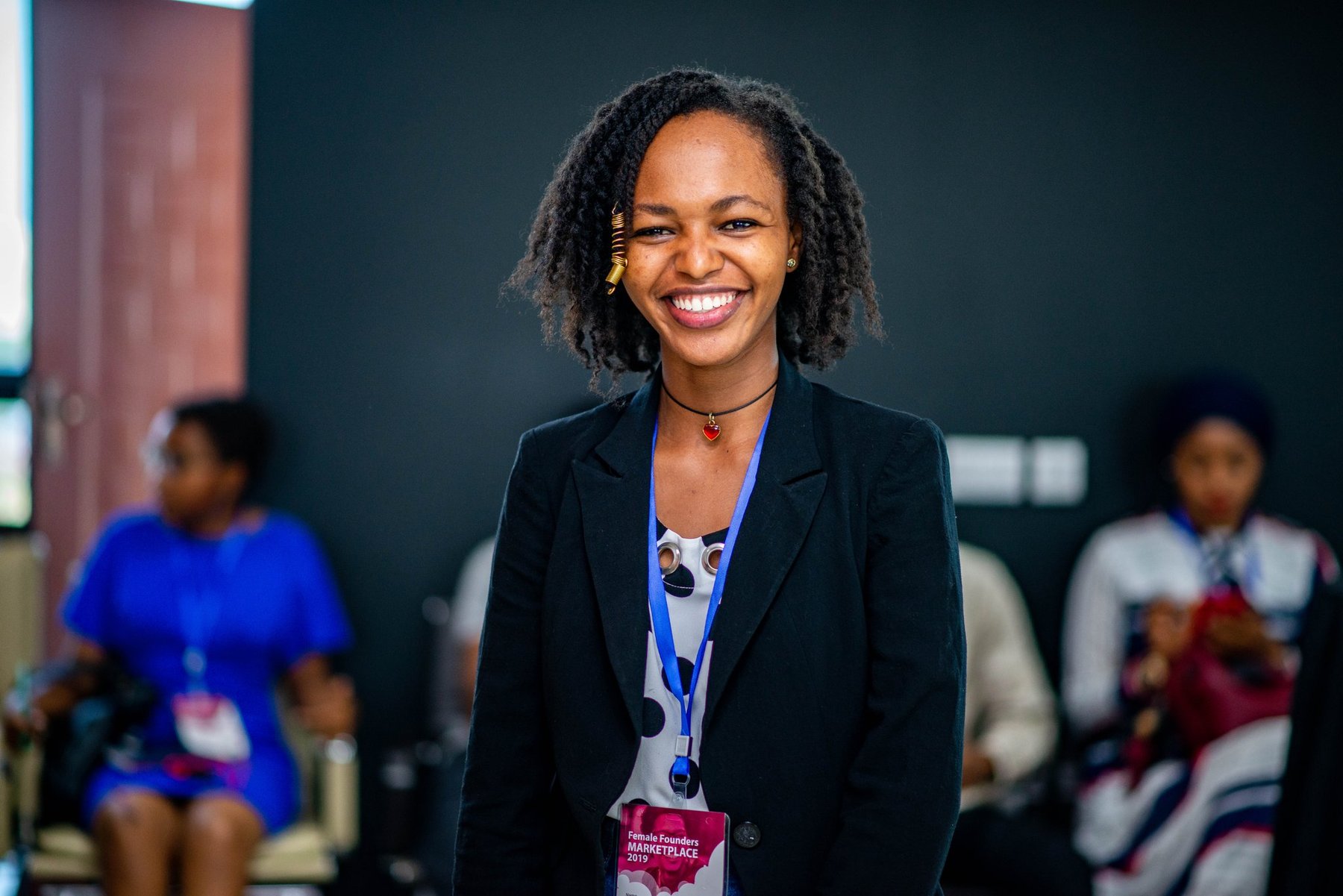
For years, "Africa is open for business" has been a sentence said in conference halls, usually far from Africa, usually by people who do not run businesses here. We think the sentence is already true — just not where people have been looking for the proof.
The proof is in Kariakoo, where women have been trading since before the term "ecosystem" existed. In the agri-processor in Arusha shipping her first container. In the software founder in Dar building for a market global investors have not yet priced correctly. They did not wait for permission. They did not wait for a grant cycle. They have been open for business the entire time.
So the argument of the 2026 Marketplace is simple: because Africa's women are open for business, Africa is open for business. Not aspirationally. Now. On the floor. In cash. — Read the full concept note
The Female Founders Marketplace runs across two full days — keynotes, panels, fireside chats, founder pitching, and the Deal Room, alongside an exhibition floor open throughout. One ticket covers both days.
The doors open. Founders exhibit and sell. Keynotes and panels set the tone, pitching begins, and buyers walk the floor — retailers, distributors, corporates, and customers who came to spend. In the evening: the Gala Dinner & Awards.
See the programme →The second day goes deeper. Fireside chats and founder presentations, exhibitions continuing on the floor, and the Deal Room in full flow — structured, pre-matched meetings between founders and the people who can write cheques or place orders.
See the programme →Exhibition booths where founders sell to real buyers — not just to each other.
Founders take the stage in front of investors, buyers, and partners.
The Deal Room: structured, scheduled meetings between founders and capital.
Panels and fireside chats — the conversations that don't happen over email.
Africa leads the world in women's entrepreneurship. It also has one of the widest funding gaps on earth — across both everyday businesses and the tech economy. The Marketplace exists to close the distance between what women build and who sees it.
Sources: African Development Bank (AFAWA); Africa: The Big Deal, 2025; Briter Africa Venture Pulse, 2025; UNDP; BCG.
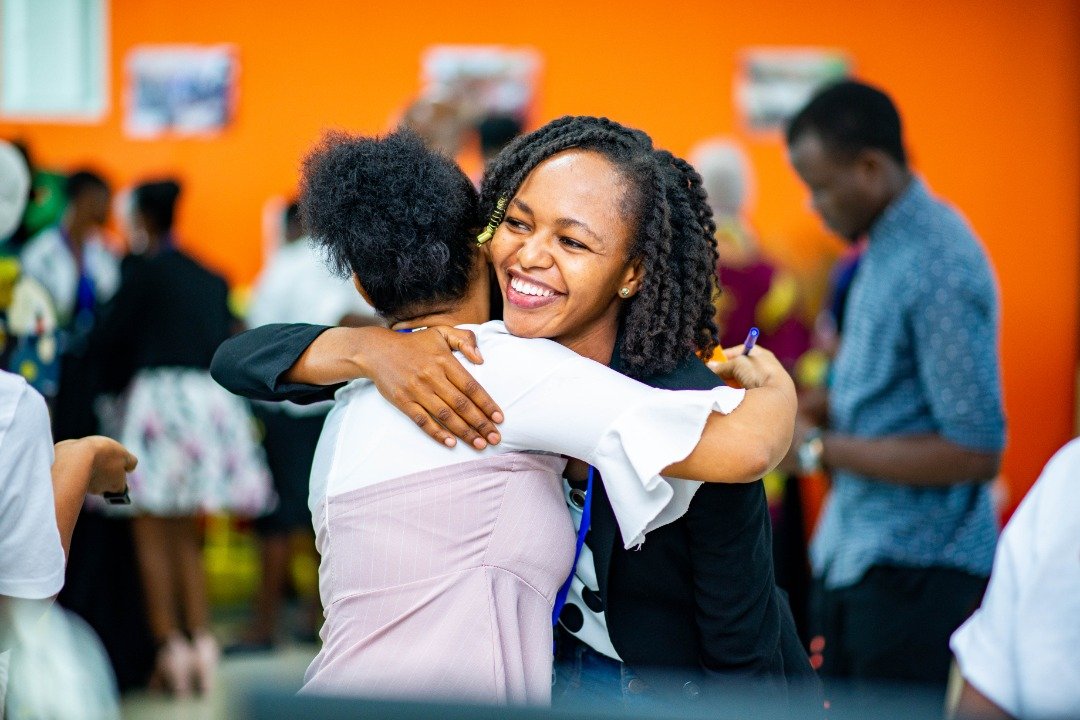
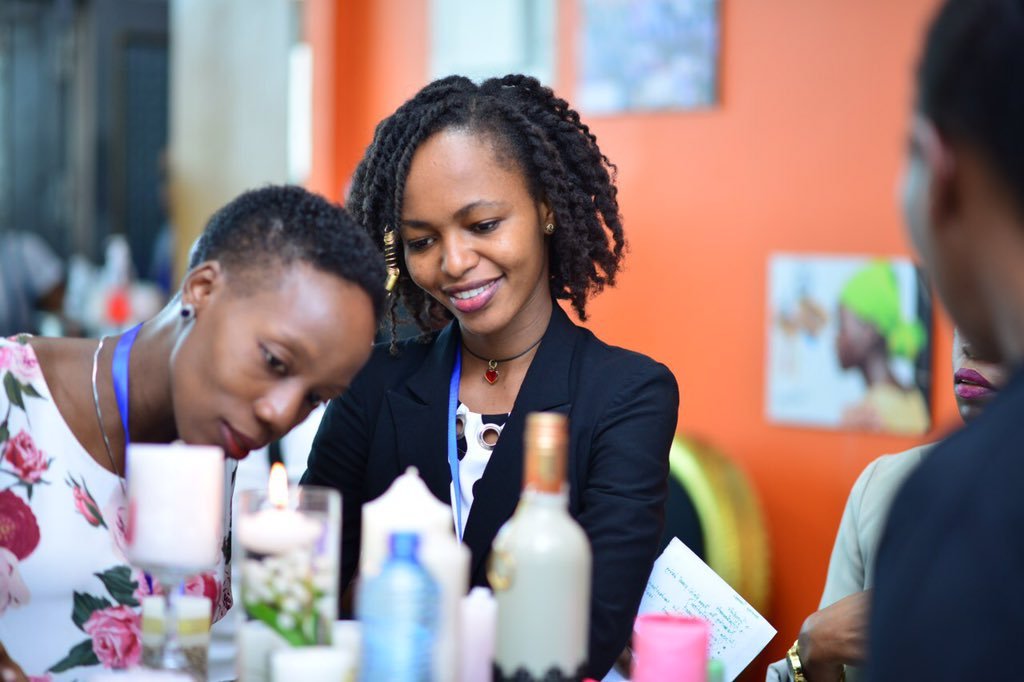
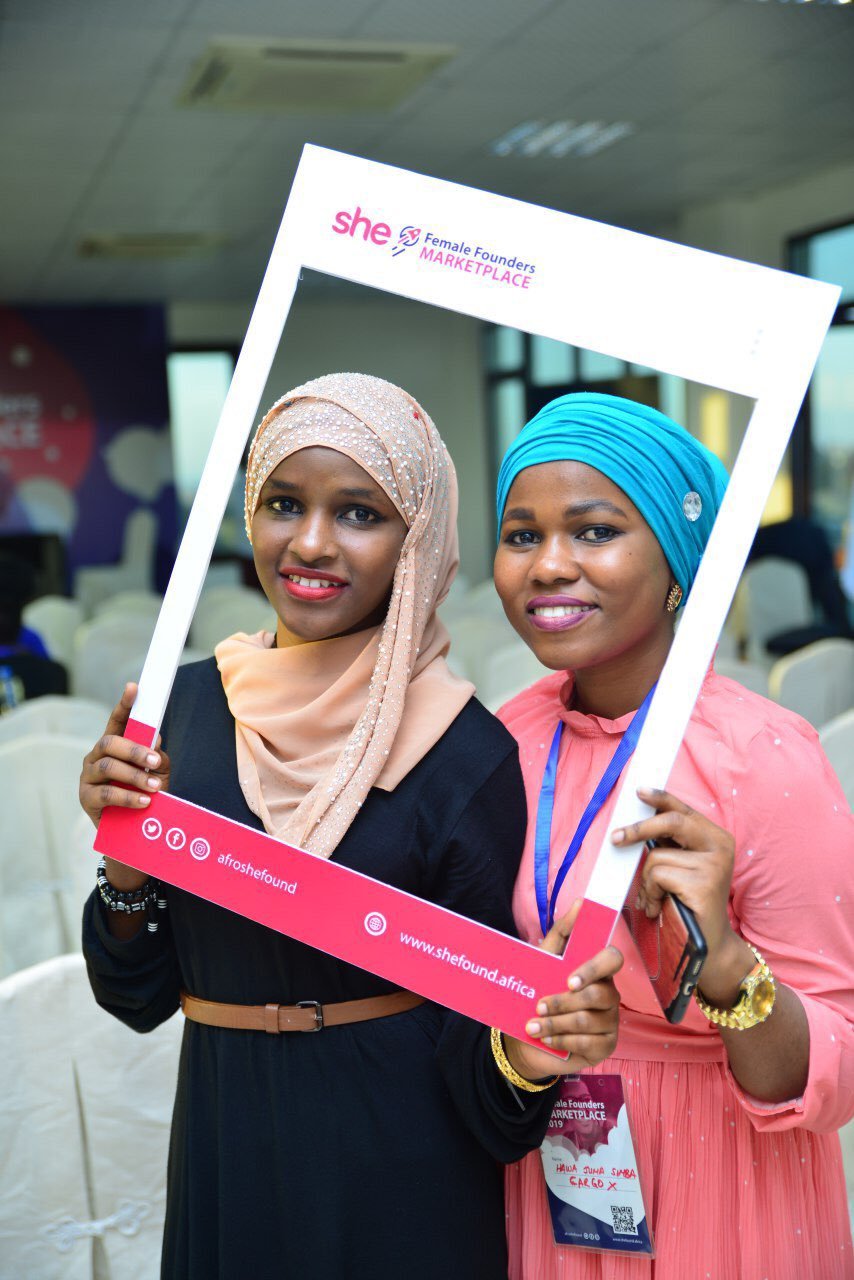
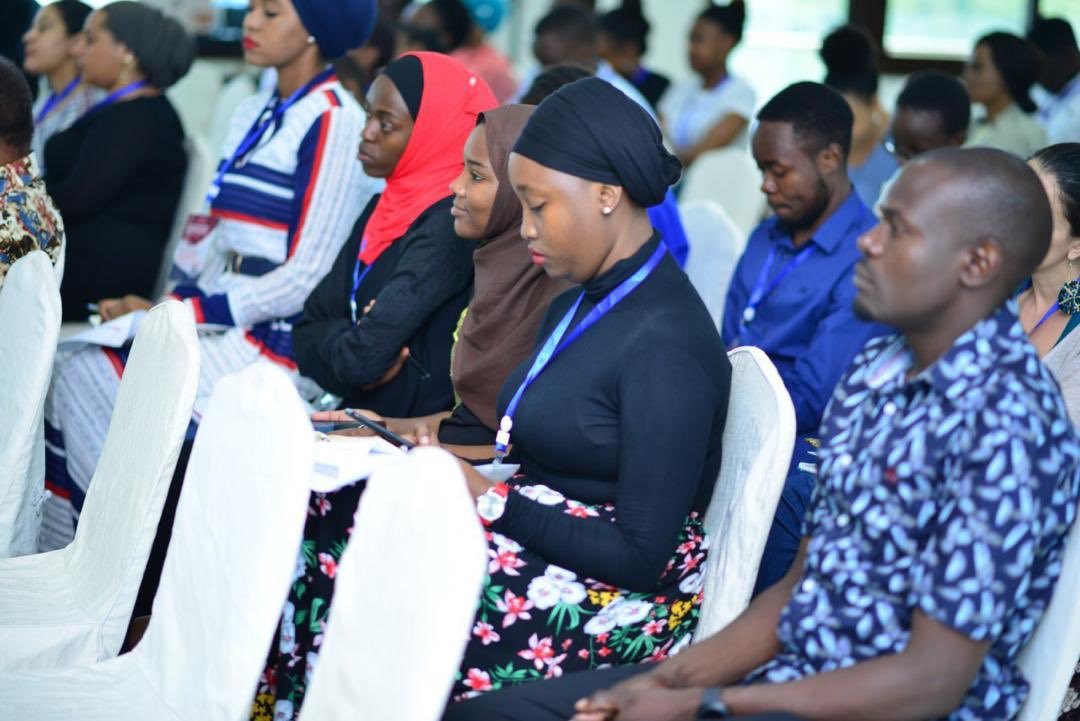
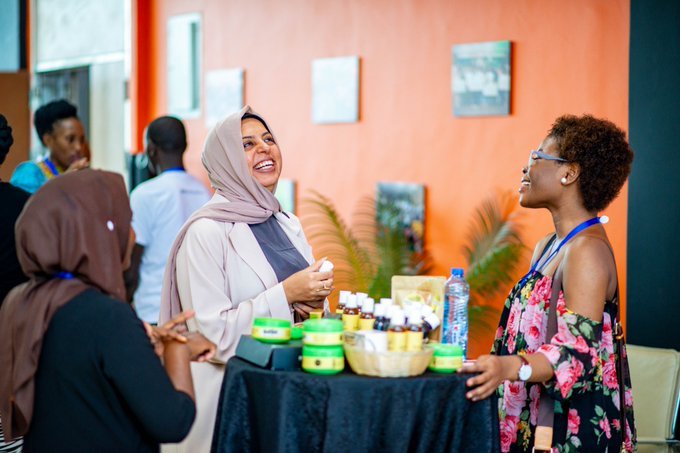
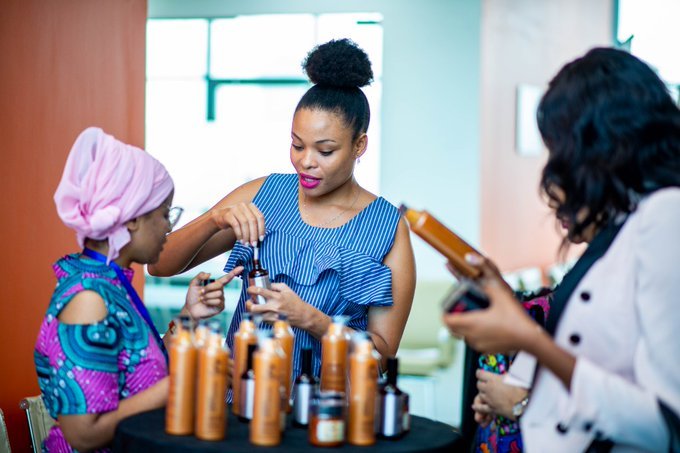
The Marketplace has been built with embassies, UN agencies, trade bodies, and cultural institutions who supported women-led business before it was fashionable.

Past supporters of the Female Founders Marketplace and SheFound programmes. 2026 partners announced soon — become one.
30–31 October 2026 · Dar es Salaam, Tanzania · An initiative of SheFound
For years, "Africa is open for business" has been a sentence said in conference halls, usually far from Africa, usually by people who do not run businesses here. It has been a promise about the future.
We think the sentence is already true — just not where people have been looking for the proof.
The proof is in Kariakoo, where women have been trading since before the term "ecosystem" existed. It is in the agri-processor in Arusha shipping her first container. It is in the software founder in Dar building for a market that global investors have not yet priced correctly. Women own or lead more than half of Tanzania's small and medium businesses, and they represent the highest rate of women's entrepreneurship anywhere on earth.
They did not wait for permission. They did not wait for a grant cycle. They have been open for business the entire time.
Because Africa's women are open for business, Africa is open for business. Not aspirationally. Now. On the floor. In cash.
The global context matters, and we will not pretend otherwise.
Development budgets are contracting. Aid commitments that shaped a generation of African economic programming are being cut or withdrawn. Venture capital reaching African women has fallen, not risen — in 2025, all-women founding teams received under one percent of the continent's startup funding, the lowest share in four years. The world's appetite for African risk is thinner than it was.
The temptation, in a moment like this, is to make a smaller argument. To ask for less. To frame women's business as a cause deserving of charity in a year when charity is scarce.
We are making the opposite argument.
If external capital is retreating, then the businesses that were never dependent on it become the most interesting story on the continent. If the grant cycle is closing, then trade — actual buying and selling, actual revenue, actual customers — becomes the only serious path forward. And the people who have been doing exactly that, without recognition, for decades, are women.
This is not a defiant position. It is a commercial one. The Marketplace is not a protest. It is a floor, and it is open.
Everything about this event proceeds from four convictions.
Two days. One ticket. One floor.
The doors open. Founders pitch from the stage. The exhibition runs all day — real products, real stalls, real transactions. Food, music, games, because a marketplace should feel like one. Buyers walk in: retailers, distributors, corporates, and hundreds of ordinary customers who came to spend money. It is loud. It is busy. Business gets done. The day closes with the Gala Dinner & Awards.
The continental day. Keynotes and fireside chats with founders, investors, and operators from across Africa and beyond — people who have built, funded, and scaled, speaking about what it actually took. Founder presentations. Exhibitions continue. And the Deal Room runs throughout: structured, pre-matched meetings between founders and the people who can write cheques or place orders. Not networking. Meetings with outcomes.
The standouts from women-led business across the region converge here, in Dar es Salaam — the destination where, once a year, the people who buy and the women who build are in the same room.
This is deliberate. We are not building a travelling roadshow that touches down and leaves. We are building a destination — a place on the continent where, once a year, the people who buy and the women who build are in the same room. Helsinki did this for European technology. Dar es Salaam can do it for African women's enterprise. The world can travel to us.
The conversation does not wait for October. Three free virtual sessions in the run-up, each on the things that actually determine whether a business grows.
Market access. Identifying real buyers — retailers, distributors, corporates, export markets — and what they need before they place an order.
Pricing and export readiness. Costing properly, pricing for margin rather than survival, and what changes when you sell across borders.
Capital access. Records, structure, readiness — and walking into October's Deal Room prepared.
Find your market. Price and sell into it. Get the capital to scale it. The sequence is the strategy.
We will measure this event the way we would measure any business: by what actually changed.
We will publish what we find. The businesses in this room become part of SheFound's tracked, verified pipeline — and what we track, we publish. That is how a marketplace becomes evidence.
The world is having a complicated year. Budgets are tightening. Commitments are being reconsidered. A great deal of the conversation about Africa right now is about what is being withdrawn.
Meanwhile, in Dar es Salaam, on 30 and 31 October, several hundred women will open their stalls, take the stage, and sell.
They have been open for business the whole time. This year, we are making sure the world is in the room to see it.